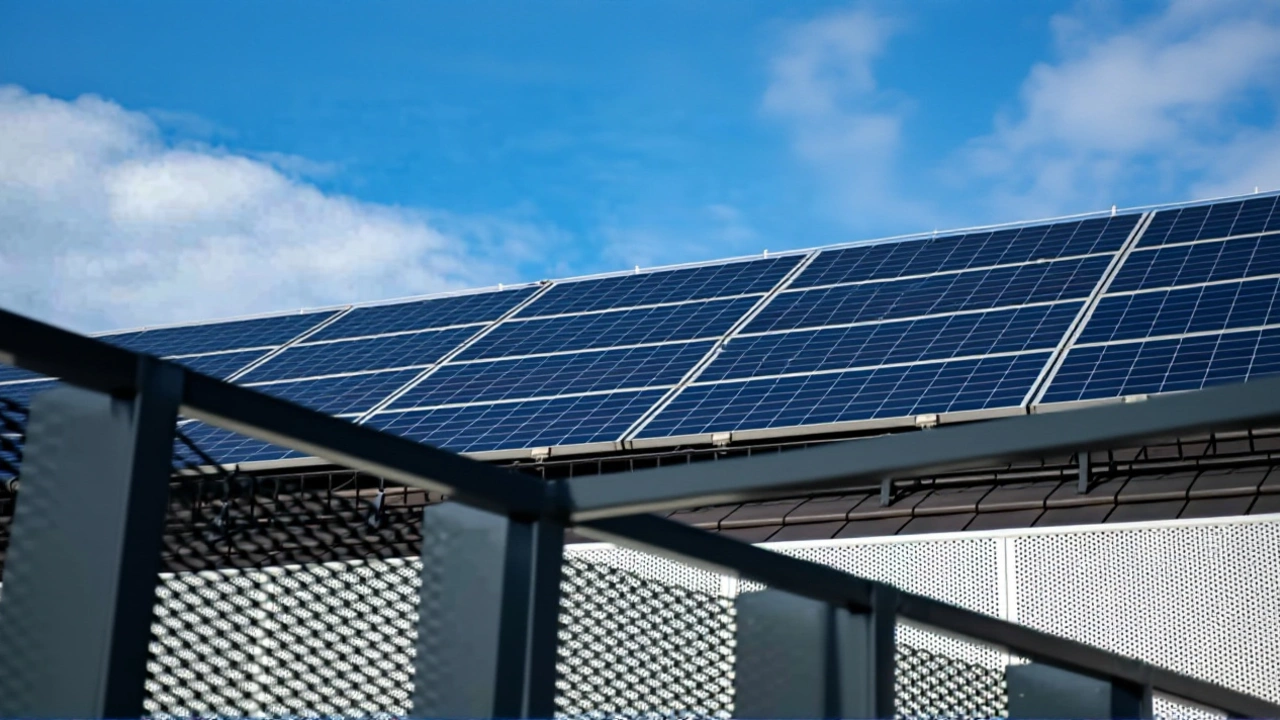
When Cora Strikers, co-founder of Brightsaver, plugged a lightweight solar panel into a standard outlet on her condo balcony in Sunnyvale, California, she didn’t just generate power—she sparked a movement. For renters and homeowners tired of skyrocketing utility bills, this "plug-and-play" technology offers a surprisingly simple solution. No roof access? No problem. No electrician? You’re good. Turns out, you can literally hang an extension cord from the sun.
The concept is deceptively simple: attach one to three lightweight panels to a railing or fence, connect them to a microinverter, and plug the whole setup into a standard 120V outdoor outlet. Within minutes, your home starts drawing power directly from those panels instead of the grid. It’s not going to zero out your bill, but it might save you enough to buy a lot of coffee.
How Balcony Solar Actually Works
Here’s the thing about these systems—they aren’t trying to replace your entire rooftop array. They’re designed for convenience and partial offset. According to data from EnergySage, most kits on the market range between 400 and 800 watts. That sounds small compared to a full residential system, but it’s perfect for covering the "always-on" drain of modern life.
Think about it: your refrigerator hums all night. Your Wi-Fi router never sleeps. Standby electronics sip power constantly. A typical 800-watt balcony system can produce roughly 70 to 110 kilowatt-hours (kWh) per month. For a 1,200-square-foot apartment using around 600 kWh monthly, that’s a 12% to 18% reduction in grid dependency. In high-rate states like California or New York, where electricity costs bite hard, that translates to real cash savings.
The installation is refreshingly DIY-friendly. Canary Media reports that one or two people can set up a system in less than an hour. There are no complex permits required in many jurisdictions, and certainly no need for heavy machinery. You just find the sunniest spot, mount the panels, and plug in.
The Real Cost vs. Savings Breakdown
Let’s talk numbers, because that’s what matters most. A basic plug-in solar kit typically runs between $500 and $1,500, depending on wattage and whether you include a battery storage unit. Some sellers aggressively advertise a two-year payback period. Is it achievable? Sure—if you live in a sunny state with exorbitant energy rates. But don’t treat that as the norm.
A more realistic estimate comes from EnergySage: if your system saves you $300 annually, you’ll break even in two to five years. Over a 25-year lifespan, a well-placed system could net you anywhere from $6,000 to $14,500 after subtracting the upfront cost. That’s not getting-rich-quick money, but it’s steady, passive savings that compounds over time.
One user featured in a CBS News segment estimated saving "30 to 50 bucks a month" with a $400 kit. Strikers herself notes that these panels cut bills by 10 to 25%. "You're not going to zero it out," she admits candidly. "But it's a way of lowering your bill." That honesty is refreshing in an industry often plagued by hype.
Navigating the Legal Gray Area
But wait—there’s a catch. While balcony solar isn’t explicitly illegal in most places, it exists in a regulatory gray area across much of the United States. Unlike traditional rooftop systems, these plug-in units don’t feed excess electricity back to the grid, meaning there’s no net metering involved. Consequently, they generally don’t qualify for federal tax credits or local incentives.
This regulatory limbo is changing, however. Utah and Maine have already passed laws explicitly allowing plug-in solar. Virginia is likely to follow suit soon. Roughly 34 states and Washington, D.C., have introduced legislation to authorize these systems, with seven having already passed such laws. The goal? To streamline the process so users don’t get bogged down in red tape.
Meanwhile, Germany has embraced the technology wholeheartedly, with an estimated 4 million balcony solar units now installed nationwide. The U.S. is playing catch-up, driven largely by consumer demand for affordable, accessible clean energy solutions.
Maintenance and Long-Term Viability
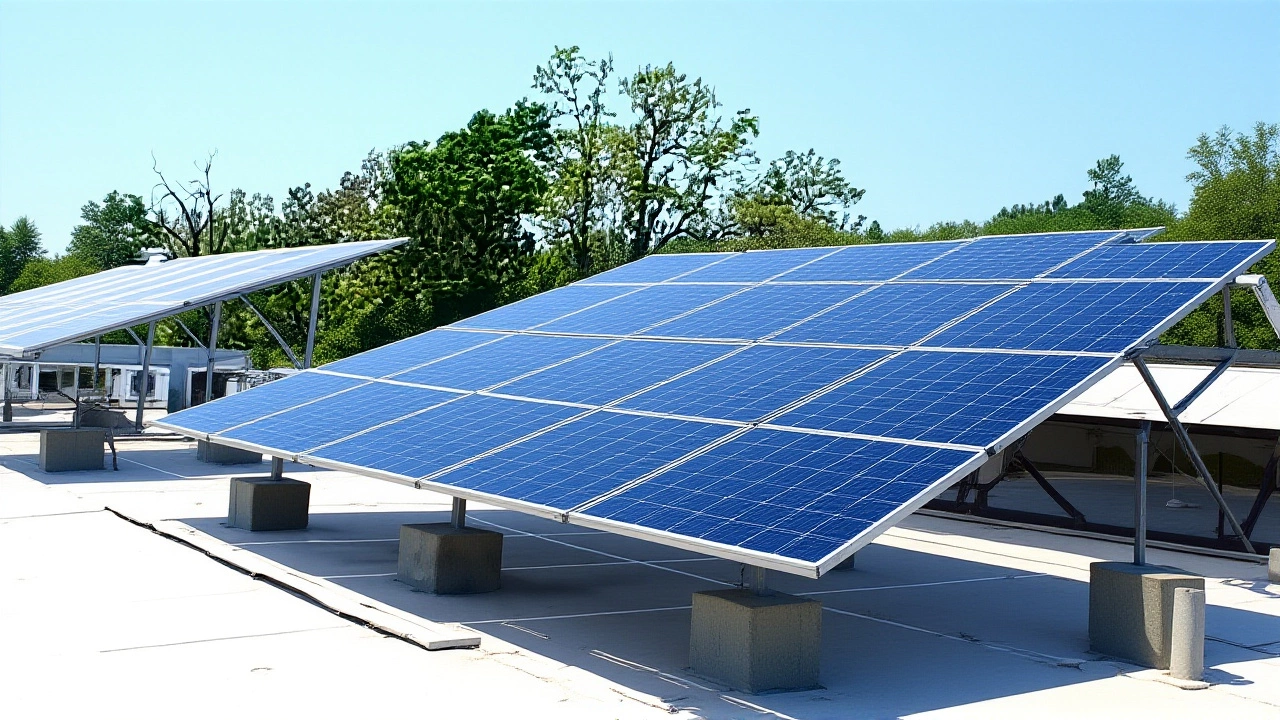
Once installed, maintenance is minimal. Tata Power recommends cleaning the panels two to four times a year—or more often if you live in a dusty or bird-prone area. Occasional checks of the wiring and mounting hardware ensure longevity. If you opt for an off-grid configuration with a portable power station (like those described by Solar Museum), you’ll also need to monitor the battery health.
The beauty of these systems lies in their modularity. If you move apartments, you take your panels with you. They’re portable, durable, and increasingly affordable. As climate correspondent Ben Tracy from Climate Central notes, this technology empowers consumers to take control of their energy destiny, regardless of housing type.
Frequently Asked Questions
Can renters use balcony solar panels?
Yes, absolutely. One of the biggest advantages of plug-in solar is that it requires no permanent modifications to your property. Since the panels are lightweight and mounted on railings or fences, you can easily remove them when you move. Just check with your landlord first to ensure compliance with lease agreements.
Do I need a battery for my balcony solar system?
Not necessarily. Grid-tied plug-in systems feed power directly into your home while the sun shines, reducing your immediate draw from the utility grid. Batteries add cost and complexity but allow you to store excess energy for nighttime use. For most users seeking simple bill reduction, a direct-to-grid setup is sufficient.
Is balcony solar legal in my state?
Legality varies by location. States like Utah and Maine have explicit laws permitting plug-in solar. Many other states are introducing similar legislation. Even without specific laws, it’s rarely illegal to plug a small appliance into an outlet, but always verify local regulations to avoid potential issues with utility companies or HOAs.
How much can I realistically save each month?
Savings depend on your local electricity rates and sunlight exposure. On average, users report saving $15 to $50 per month. In high-cost areas like California or Hawaii, savings can be higher. An 800-watt system typically offsets 12% to 18% of a typical apartment’s monthly usage, translating to tangible reductions in your utility bill.
Leave a comments