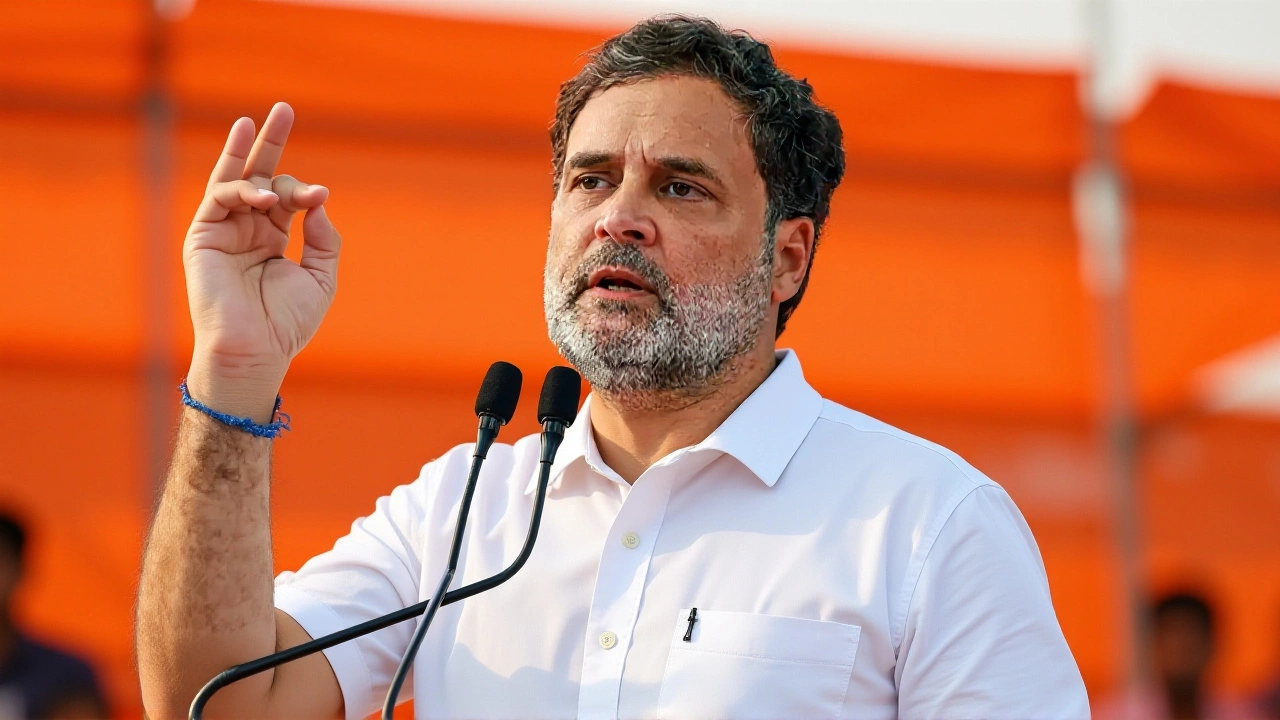
It’s rare to see a political party turn on itself so publicly, but that’s exactly what happened in Wayanad, Kerala. Protesters slapped posters near the District Congress Committee office warning Rahul Gandhi, President of the Indian National Congress with a chilling message: "Wayanad will become the next Amethi." The subtext? If the high command pushes K.C. Venugopal, Organization General Secretary of the All India Congress Committee as Chief Minister, local support could collapse just like it did in Uttar Pradesh.
This isn't just graffiti; it's a symptom of deep-seated anxiety within the party ranks. With the announcement of the new Chief Minister expected by Wednesday, factions are pulling out all stops. The tension is palpable, and for once, the internal squabbles aren't being kept behind closed doors.
The "Amethi" Warning Explained
Here’s the thing about the comparison to Amethi. For those unfamiliar with Indian politics, Amethi was Rahul Gandhi's stronghold until he lost his seat there in 2014 and again in 2019. It became a symbol of the Gandhi family’s declining connect with the grassroots in North India. By invoking this parallel, the protesters in Wayanad are suggesting that imposing an outsider—or someone perceived as disconnected from local sentiments—could trigger a similar electoral disaster in Kerala.
The posters specifically targeted Rahul Gandhi and MP Priyanka Gandhi. The text warned that if K.C. Venugopal is made Chief Minister, the people of Kerala might not forgive the Congress High Command. It’s a bold move, especially since the posters were placed right outside the district party office, implying that the dissent comes from within or from staunch supporters who feel ignored.
The Three Horsemen for CM
So, who is actually in the running? The race has narrowed down to three main contenders, each representing different wings of the party:
- K.C. Venugopal: A veteran leader and organizational heavyweight, seen as the safe, bureaucratic choice.
- V.D. Satheesan, Leader of Opposition: The popular face who led the opposition in the assembly.
- Ramesh Chennithala: A senior leader with strong regional influence.
The delay in announcing the name has only fueled factionalism. Each camp believes their candidate has the best chance of retaining power and preparing for the 2026 elections. This uncertainty has created a toxic environment where loyalty is tested daily.
Leadership Meets Gandhi
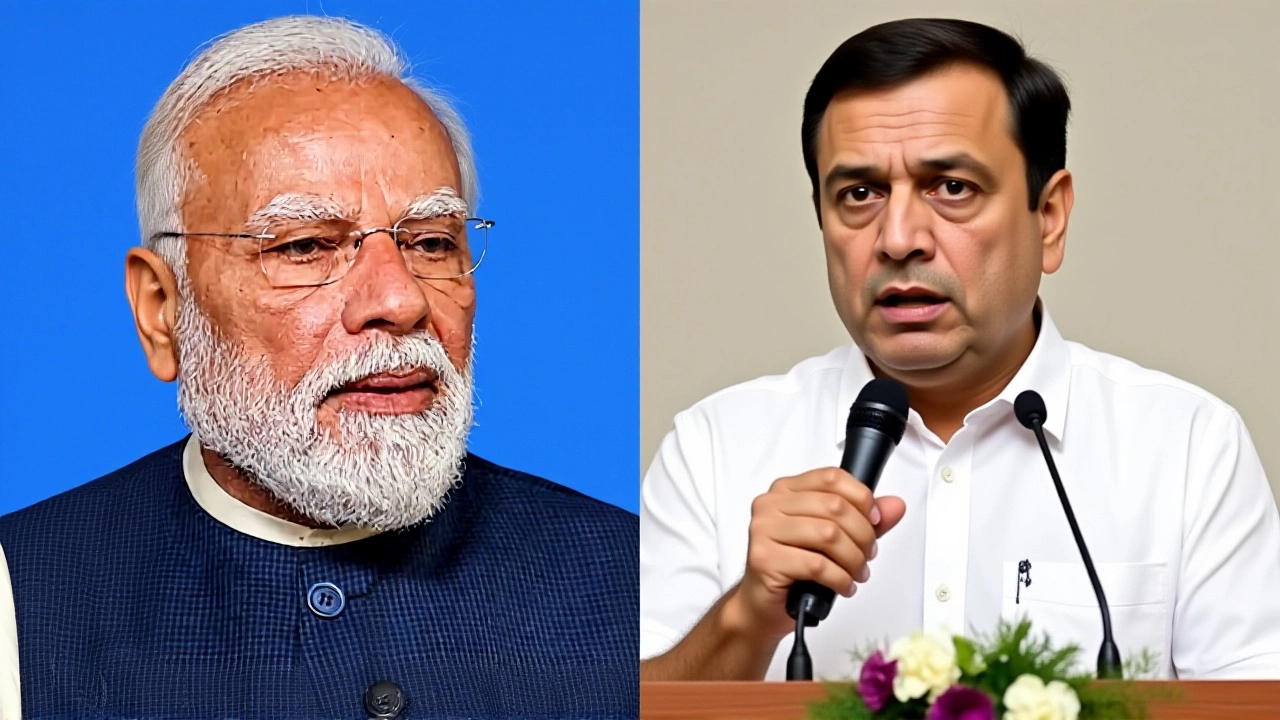
Behind the scenes, negotiations are heating up. Former Kerala Pradesh Congress Committee (KPCC) president K. Muraleedharan met with Rahul Gandhi recently. He told the media that the party could announce the CM's name by Wednesday. His assessment suggests that Rahul Gandhi holds the final card, and state leaders are directly lobbying him.
Another former state president, V.M. Sudheeran, also spoke with Rahul Gandhi. Sudheeran emphasized discussing the "political situation and public mood" in Kerala. He urged the leadership to consider public sentiment rather than just internal power balances. This highlights a critical divide: some leaders want a decision based on popularity, while others prioritize organizational control.
Why This Matters Now
The stakes couldn’t be higher. Kerala’s political landscape is fiercely competitive. Any misstep in choosing the Chief Minister could alienate key voter bases, particularly in sensitive areas like Wayanad. The protest posters serve as a stark reminder that the ground reality often differs from the calculations made in Delhi or Mumbai.
If the High Command ignores these warnings, they risk repeating past mistakes. The comparison to Amethi is not just rhetorical; it’s a data point from recent electoral history. Voters in Kerala are known for punishing parties that appear arrogant or out of touch. The clock is ticking toward Wednesday’s expected announcement, and every hour of silence increases the pressure.
What Happens Next?
All eyes are on the Congress High Command. Reports indicate an official announcement could come before noon on Wednesday. Will they choose the organizational stalwart K.C. Venugopal, the populist V.D. Satheesan, or the seasoned Ramesh Chennithala? Or will they surprise everyone with another name?
Whatever the decision, the damage from the public dissent may already be done. The image of a united front has been cracked. As the dust settles, the real test will begin: can the chosen leader unite the fractured factions and win back the trust of voters in places like Wayanad?
Frequently Asked Questions
Why is Wayanad comparing itself to Amethi?
The comparison refers to the electoral decline of the Gandhi family in Amethi, Uttar Pradesh. Protesters fear that imposing an unpopular Chief Minister candidate could lead to a similar loss of local support and electoral defeat in Wayanad, signaling a disconnect between the central leadership and ground realities.
Who are the top contenders for Kerala CM?
The three primary candidates discussed are K.C. Venugopal, Organization General Secretary of the AICC; V.D. Satheesan, the Leader of Opposition in the Kerala Assembly; and Ramesh Chennithala, a senior Congress leader. Each represents different factions and strategic interests within the party.
When will the new Chief Minister be announced?
Reports suggest the Congress High Command aims to announce the name by Wednesday, possibly before noon. This timeline is driven by the need to stabilize the government and address growing internal unrest and public speculation.
What role is Rahul Gandhi playing in this decision?
As President of the Indian National Congress, Rahul Gandhi holds the final authority on the appointment. Senior leaders like K. Muraleedharan and V.M. Sudheeran have met with him personally to lobby for their preferred candidates and emphasize the importance of public sentiment.
Leave a comments